
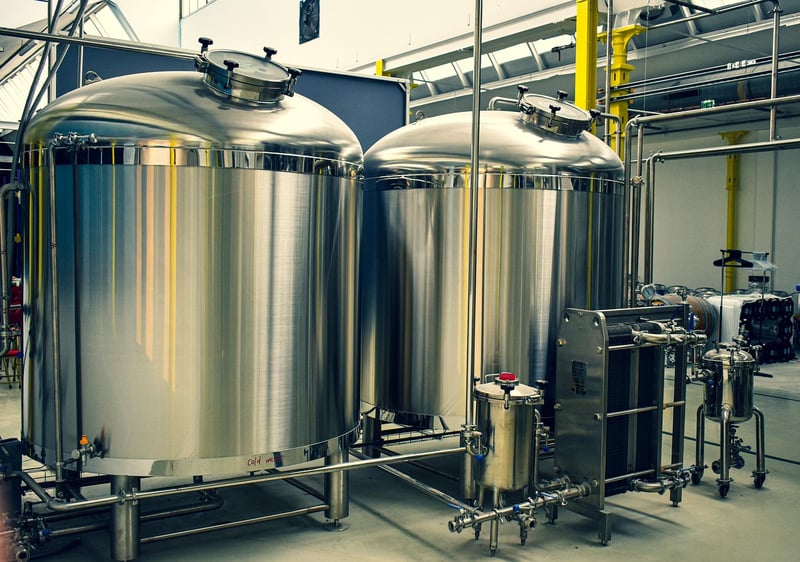
Exploring Advanced Fermentation Techniques
Fermentation is a fascinating process that has been used for centuries to preserve food, enhance flavors, and create unique products. While traditional fermentation methods are well-known, there are several advanced techniques that food enthusiasts and professionals can explore to take their fermentation skills to the next level.
1. Controlled Temperature Fermentation
Controlling the temperature during fermentation can have a significant impact on the final product. By maintaining a consistent temperature throughout the fermentation process, you can achieve more predictable results and develop specific flavor profiles. For example, fermenting at lower temperatures can result in a slower fermentation process but can enhance certain delicate flavors.

2. Wild Fermentation
Wild fermentation involves using naturally occurring microbes present in the environment to ferment food and beverages. This method relies on the wild yeast and bacteria present on fruits, vegetables, or in the air to initiate fermentation. Wild fermentation can lead to more complex and unique flavors compared to using commercial starter cultures.

3. Solid-State Fermentation
Solid-state fermentation involves fermenting ingredients with low moisture content, such as grains or seeds. This method is commonly used in the production of various fermented foods like tempeh and koji. Solid-state fermentation can result in unique textures and flavors not typically achieved with liquid fermentation methods.

4. Continuous Fermentation
Continuous fermentation is a method where fresh substrate is continuously added to the fermentation vessel while the fermented product is continuously removed. This technique allows for a steady production of fermented goods without the need for batch processing. Continuous fermentation is commonly used in large-scale production facilities.

Experimenting with these advanced fermentation techniques can open up a world of possibilities for creating unique and flavorful fermented foods and beverages. Whether you are a home fermenter looking to try something new or a professional in the food industry seeking to innovate, exploring these methods can lead to exciting discoveries in the world of fermentation.